WIND RESISTANT FENCES

Stronger Fences. Safer Properties. Built to Withstand Florida Winds. Living in Florida means enjoying beautiful weather-but it also means being prepared for strong winds and storms. A wind resistant fence is essential to protect your property, your family, and your investment.

Florida homeowners enjoy beautiful weather throughout much of the year, but thunderstorms, tropical systems, heavy rain, and hurricane-season winds can place significant pressure on outdoor structures. Your fence is often one of the first features exposed to strong gusts, flying debris, saturated soil, and sudden changes in wind direction.

Choosing a wind-resistant fence is not only about selecting a strong material. Fence design, post spacing, footing size, hardware, soil conditions, gates, drainage, and installation quality all affect how well the complete system performs.

At Costa Fence, we help homeowners and property managers choose fencing solutions that balance durability, privacy, appearance, security, and long-term value.

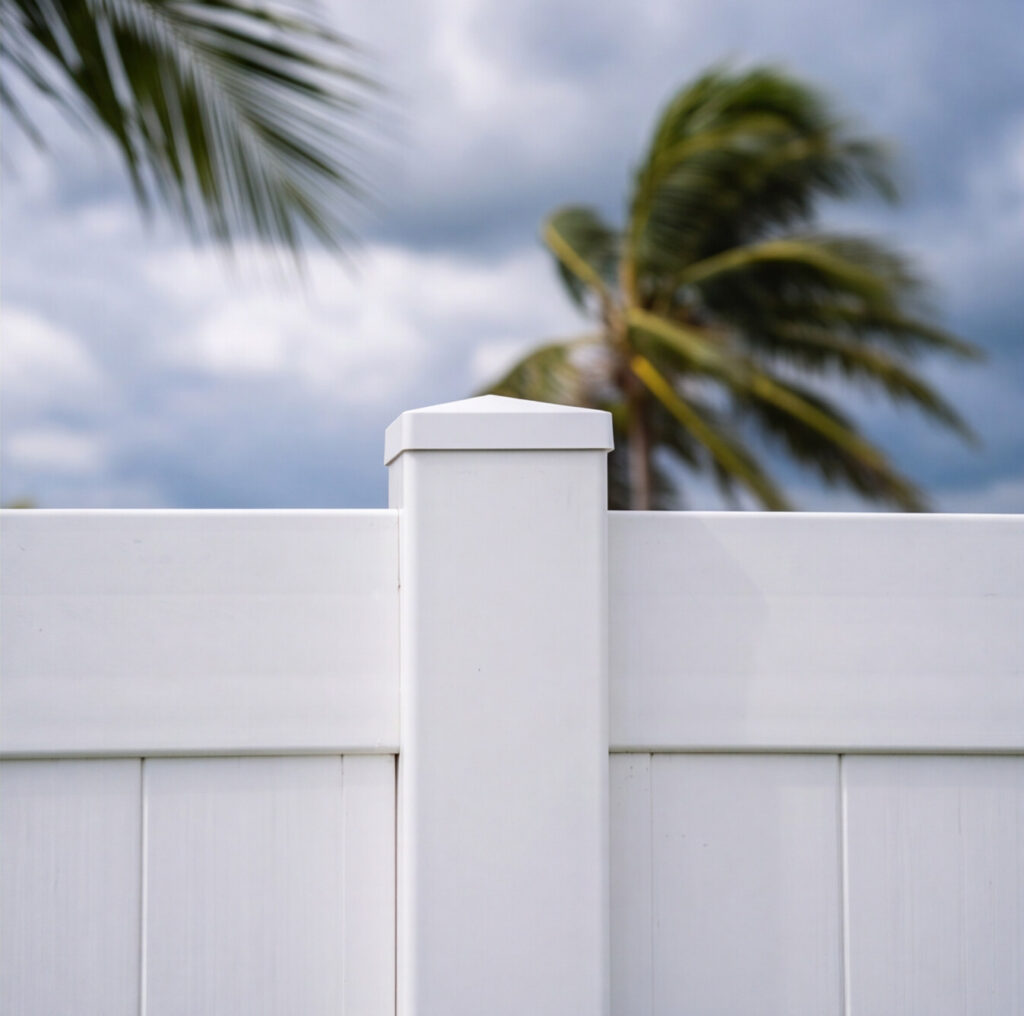
WHAT IS A WIND RESISTANT FENCE?

A wind resistant fence is designed and installed to withstand high wind pressure, reducing the risk of damage during storms, hurricanes, and strong gusts. The key is in the materials, engineering, and installation methods used. Choosing a wind-resistant fence is not only about selecting a strong material. Fence design, post spacing, footing size, hardware, soil conditions, gates, drainage, and installation quality all affect how well the complete system performs. At Costa Fence, we help homeowners and property managers choose fencing solutions that balance durability, privacy, appearance, security, and long-term value.

KEY FEATURES OF WIND RESISTANT FENCES

Durable Materials

Materials like aluminum and vinyl are strong, flexible, and built to handle harsh weather conditions.

Semi-Private Design

Fences with picket or horizontal styles allow wind to pass through, reducing pressure and stress.

Strong Post & Installation

Proper anchoring and deeper post setting keep your fence secure even in extreme conditions.

Quality Hardware

Using rust-resistant screws, hinges, and brackets prevents weak points and increases long-term durability.

Why Wind Resistance Matters in Florida

A solid privacy fence can behave like a large wall when exposed to strong wind. As wind pushes against the surface, that force is transferred to the rails, posts, concrete footings, and surrounding soil.

Important: Wind-load requirements can vary according to fence height, design, property exposure, location, material specifications, and local permitting rules. Always verify the current Florida Building Code and local jurisdiction requirements before installation.

Wind pressure may become more demanding when:

  • The fence has tall, solid panels.
  • The property is located in an open or coastal area.
  • The ground becomes saturated after heavy rain.
  • Posts are deteriorated or improperly anchored.
  • Gates are left unsecured.
  • Trees, sheds, or neighboring structures redirect wind.
  • The fence already has damaged or missing components.

Which Fence Materials Perform Well in Strong Winds?

Fence TypeWind-Resistance AdvantageImportant Considerations
Aluminum FencingOpen pickets allow significant airflow.Secure posts, quality rails, and professional installation remain essential.
Chain-Link FencingOpen mesh reduces the solid surface exposed to wind.Fabric gauge, terminal posts, tension wire, and framework affect strength.
Vinyl FencingLow maintenance and available in solid or semi-private styles.Solid panels may require reinforced posts, secure rails, and stronger foundations.
Wood FencingCan be built in spaced-picket, shadowbox, horizontal, or privacy designs.Lumber quality, moisture protection, fasteners, and maintenance are critical.
Semi-Private FencingProvides a balance between privacy and airflow.Spacing, panel height, post strength, and overall construction must be reviewed.

Signs Your Existing Fence May Be Vulnerable

  • Leaning or moving posts
  • Cracked concrete around footings
  • Loose panels or rails
  • Missing screws or brackets
  • Rusted hinges and fasteners
  • Rot near the bottom of wood posts
  • Cracked vinyl components
  • Gates that no longer close correctly
  • Soil erosion around posts
  • Damage from landscaping equipment

Why Professional Fence Installation Matters

Wind-resistant fencing requires more than choosing a strong-looking product. An experienced fence contractor can evaluate:

  • Property layout and fence location
  • Fence height and style
  • Local wind exposure
  • Soil and drainage conditions
  • Post spacing and footing requirements
  • Gate placement and hardware
  • Material specifications
  • Permit and inspection requirements
  • Utility-location considerations

Permitting rules can vary by city, county, development, and homeowners association. Costa Fence can help property owners understand the installation process and choose an appropriate fencing solution.

How to Prepare Your Fence Before a Storm

  1. Remove loose decorations, planters, signs, and hanging objects.
  2. Trim weak branches near the fence.
  3. Confirm that gates close and latch securely.
  4. Check for loose boards, panels, brackets, and fasteners.
  5. Move outdoor furniture and equipment away from the fence.
  6. Avoid unsafe repairs once strong winds begin.
  7. Schedule a professional inspection when significant movement or damage is present.
Never stand near a damaged fence during severe weather. Loose panels, posts, branches, and debris can become dangerous.